Schedule Your Free Estimates Today!
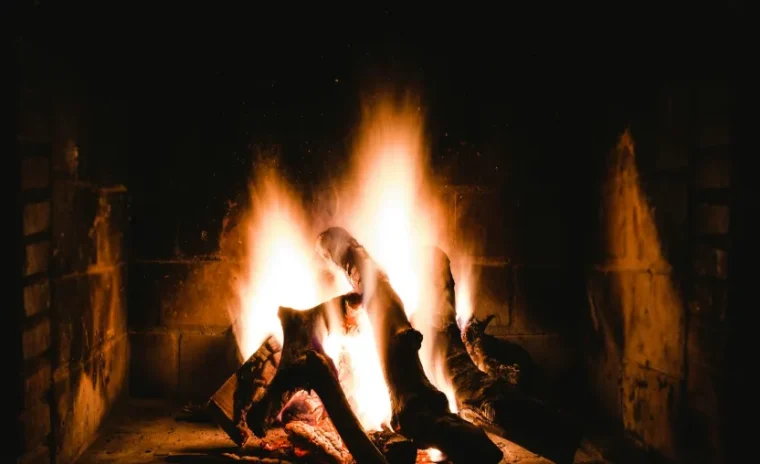
Fireplaces bring warmth, comfort, and style to any home. But when it comes to choosing between a gas vs wood fireplace, homeowners often find themselves stuck. Should you enjoy the traditional crackle of burning logs, or embrace the clean convenience of gas flames?
In this guide, we compare efficiency, cost, safety, maintenance, and comfort so you can decide if a gas fireplace or wood fireplace is right for your home.
Gas vs Wood Fireplace: The Key Differences
When deciding between a gas vs wood fireplace, the biggest differences come down to:
- Installation and cost
- Energy efficiency
- Maintenance needs
- Aesthetic and comfort
- Environmental impact
Efficiency: Is a Gas Fireplace Efficient?
One of the most common questions homeowners ask is: is a gas fireplace efficient? The answer is yes, and in most cases it is far more efficient than wood.
- Gas Fireplaces:
Modern gas fireplaces convert 70 to 90 percent of their energy into usable heat. They heat quickly, evenly, and without smoke or ash. - Wood Fireplaces:
Traditional wood-burning fireplaces only reach 10 to 30 percent efficiency. Most of the heat escapes through the chimney.
So, how efficient are gas fireplaces compared to wood? The numbers make it clear. Gas provides more warmth while wasting less energy.
Cost: Gas Fireplace or Wood Fireplace?
The next question many homeowners ask: gas fireplace or wood fireplace, which costs more? The answer depends on whether you are looking at upfront or long-term costs.
- Installation Costs:
- Gas fireplaces require gas lines and venting. Installations range from $2,000 to $5,000.
- Wood fireplaces, especially new masonry builds, can cost $5,000 to $10,000 or more.
- Fuel Costs:
- Gas burns clean and steady. Expect to pay $0.50 to $1.50 per hour of use.
- Wood costs vary, but a full cord of seasoned wood runs $200 to $400.
- Maintenance Costs:
- Gas: Yearly inspections and cleaning, usually $100 to $200.
- Wood: Chimney sweeps, ash cleanup, and repairs can reach $200 to $400 annually.
Verdict: A gas fireplace is often cheaper to run and maintain, though wood may be less expensive if you have low-cost access to firewood.
Maintenance: Can You Burn Wood in Gas Fireplace Systems?
Let’s clear up a dangerous myth: can you burn wood in a gas fireplace?
The answer is no. Gas fireplaces are not designed for wood. Doing so can:
- Cause toxic gas leaks
- Damage the venting system
- Create a serious fire hazard
With wood fireplaces, you deal with ash removal, creosote buildup, and frequent chimney cleaning.
With gas fireplaces, maintenance is simple: an annual inspection, cleaning burners, and checking the pilot light.
Comfort and Ambiance: Gas vs Wood Fireplace
Here’s where the gas vs wood fireplace debate feels most personal.
- Wood Fireplace:
- The crackle of logs
- The smell of smoke
- A rustic, traditional look
But you’ll need to tend the fire, haul wood, and clean ashes.
- Gas Fireplace:
- Instant flames with the push of a button
- Remote controls, timers, and thermostat settings
- Realistic logs or glass designs that mimic natural flames
If you want authenticity, wood wins. If you want convenience and steady comfort, gas is the better choice.
Environmental Impact: Which Fireplace Is Greener?
- Wood Fireplaces: Burning wood releases smoke, particulates, and carbon. In some areas, wood-burning fireplaces face restrictions due to air quality.
- Gas Fireplaces: Burn cleaner, producing fewer emissions. They are often considered a more environmentally friendly option.
If sustainability matters to you, a gas fireplace may be the smarter choice.
Safety Considerations
When it comes to safety, gas fireplaces generally carry fewer risks than wood:
- Gas Fireplaces: No sparks, flying embers, or chimney fires. Properly installed units are safe and reliable.
- Wood Fireplaces: Chimney fires, carbon monoxide buildup, and sparks are all risks.
Whichever you choose, always schedule regular inspections and never attempt DIY repairs.
Frequently Asked Questions About Gas vs Wood Fireplaces
Are gas fireplaces energy efficient?
Yes. Modern gas fireplaces achieve up to 90 percent efficiency compared to 10 to 30 percent for traditional wood fireplaces.
How efficient are gas fireplaces compared to wood?
Gas fireplaces produce much more usable heat while wasting less energy.
Is a gas fireplace efficient enough to replace wood?
Yes. In most cases, a gas fireplace can heat a room more effectively than wood while being cleaner and safer.
Can you burn wood in a gas fireplace?
No. Burning wood in a gas fireplace is extremely dangerous and should never be attempted.
Gas fireplace or wood fireplace: which is better?
It depends on your priorities. Choose wood for tradition and atmosphere. Choose gas for convenience and efficiency.
Conclusion: Gas vs Wood Fireplace, Which Should You Choose?
The gas vs wood fireplace debate comes down to lifestyle.
- Choose wood if you want tradition, love the smell of a real fire, and do not mind the work.
- Choose gas if you want efficiency, low maintenance, and instant comfort.
Both add value and beauty to your home, but for most modern households, gas is the more practical option.
Why Choose CR&G Fireplaces HVAC & Plumbing, LLC
At CR&G Fireplaces HVAC & Plumbing, LLC, we handle both gas and wood fireplace services for homes in Albuquerque, NM. With over 25 years of experience and the right licenses for gas and plumbing, we provide safe and reliable fireplace solutions. Our company is local, family-driven, and focused on delivering quality service at fair prices. If you need installation, repair, or maintenance, we are ready to help. Call us today for your free estimate.