Schedule Your Free Estimates Today!
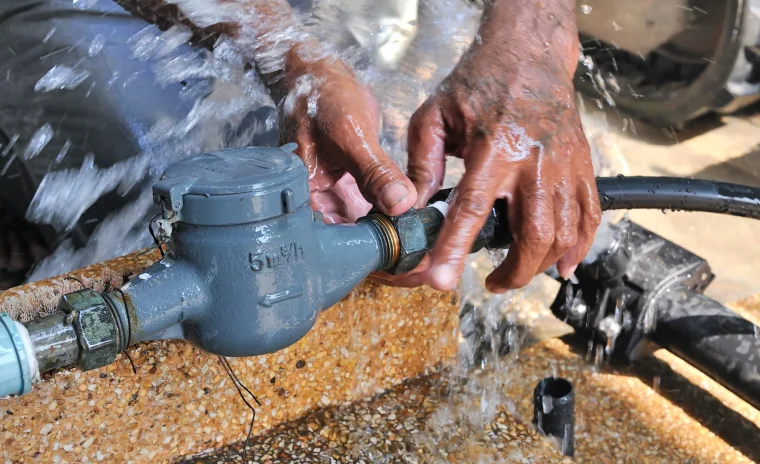
The Complete Plumbing Guide for Beginners: Everything You Need to Know About Home Plumbing
Understanding the Basics of Your Home Plumbing System
Whether you’re a new homeowner or simply curious about how your home’s water system works, learning the fundamentals of plumbing can save you time, money, and frustration. A solid understanding of your plumbing system helps you make informed decisions, handle small issues, and know when it’s time to call a professional.
In this plumbing guide, we’ll walk you through everything from the basic components of a plumbing system to plumbing troubleshooting guide techniques and plumbing maintenance guide tips. Think of it as your go-to beginners guide to plumbing, designed to help you keep your home running smoothly.
What Is Plumbing and Why Does It Matter?
Your plumbing system is the network of pipes, valves, fixtures, and appliances that deliver fresh water to your home and remove wastewater safely. It’s one of the most essential systems in your house, impacting your comfort, health, and everyday routine.
When something goes wrong, like a leaky faucet, a clogged drain, or a burst pipe, it can disrupt your life and cause costly damage. That’s why understanding even the basics can go a long way toward preventing problems.
A residential plumbing guide like this one helps you:
- Recognize how water flows through your home
- Identify common plumbing components
- Perform simple maintenance
- Know when to call a licensed plumber
Key Components of a Home Plumbing System
To start learning plumbing for beginners, it’s important to know what makes up your home’s plumbing network.
1. Water Supply System
This is where everything begins. The water supply system brings fresh water into your home through pipes connected to a municipal line or private well. The water pressure pushes it through faucets, showers, and appliances.
2. Drainage System
Once you’ve used the water, it exits your home through a drainage system. This includes sinks, toilets, tubs, and drains that connect to sewer lines or a septic tank.
3. Fixtures and Appliances
These are the visible parts of your plumbing system, faucets, sinks, showers, water heaters, dishwashers, and washing machines.
4. Vent System
Plumbing vents help release sewer gases and regulate air pressure in your pipes, allowing waste to flow efficiently.
5. Shut-Off Valves
These valves let you control water flow to specific fixtures or your entire house, which is crucial during repairs or emergencies.
Knowing these components will make it easier to follow any complete plumbing guide or identify where a problem originates.
Common Plumbing Problems and How to Fix Them
Even with a solid plumbing system, issues can pop up from time to time. Here are some of the most common problems homeowners face and how you can address them.
1. Dripping Faucets
A worn-out washer or cartridge often causes this issue. Turn off the water supply, disassemble the faucet handle, and replace the faulty part.
2. Slow Drains
Usually caused by a buildup of soap, grease, or hair, slow drains can be cleared with a plunger, drain snake, or natural cleaning mix (baking soda and vinegar).
3. Running Toilets
If your toilet keeps running, check the flapper or float mechanism inside the tank. Adjust or replace it as needed to stop water waste.
4. Low Water Pressure
This could indicate mineral buildup in your faucet aerator, a leaky pipe, or problems with your municipal supply. Cleaning or replacing the aerator often helps.
5. Leaky Pipes
Leaks can appear around joints or fittings. Use plumber’s tape or epoxy for temporary fixes, but for a lasting solution, call a professional plumber.
These issues are a good starting point for your home plumbing guide and help you gain confidence in tackling basic repairs.
Plumbing Tools Every Homeowner Should Have
No beginners guide to plumbing is complete without mentioning the essential tools you should keep on hand.
Basic Tools:
- Adjustable wrench
- Pipe wrench
- Plunger (cup and flange types)
- Teflon (plumber’s) tape
- Basin wrench
- Drain snake or auger
- Bucket and towels
Having these tools ready lets you handle small issues quickly before they turn into expensive repairs.
Preventive Maintenance: Keeping Your Plumbing System Healthy
Preventive maintenance is the backbone of any plumbing maintenance guide. Regular upkeep not only extends the life of your system but also reduces the risk of emergencies.
Easy Maintenance Tips:
- Inspect regularly: Check for drips, leaks, or water stains under sinks and around toilets.
- Clean drains monthly: Use safe cleaning solutions to avoid buildup.
- Flush your water heater annually: This removes sediment and improves efficiency.
- Avoid grease disposal: Never pour cooking oil or grease down your drains—it can solidify and clog pipes.
- Winterize outdoor faucets: Disconnect hoses and insulate pipes before freezing weather.
A little preventive effort can save you hundreds in repair costs later.
When to Call a Professional Plumber
While this plumbing troubleshooting guide can help you fix small issues, some situations require professional care.
Call a Licensed Plumber When:
- You detect low water pressure throughout the house
- Pipes are frozen or burst
- Sewage odors come from drains
- You have recurring leaks or backups
- Your water heater isn’t functioning properly
At CR&G Fireplaces HVAC & Plumbing, LLC, we’ve seen it all, from small leaks to major pipe replacements. With over 25 years of experience and multiple journeyman’s licenses, our team knows how to handle complex plumbing systems safely and efficiently.
Understanding Your Home’s Water Pressure and Flow
A major part of any complete plumbing guide is understanding water pressure. Too much pressure can strain your pipes, while too little affects performance.
How to Check Water Pressure:
You can buy an inexpensive gauge and attach it to an outdoor spigot. The ideal range is usually between 40 and 60 psi.
If it’s too high, consider installing a pressure regulator. If it’s too low, there could be sediment buildup or a leak somewhere in the system.
Plumbing Safety Tips for Beginners
When learning plumbing for beginners, safety should always come first.
- Always shut off the main water supply before working on a fixture.
- Use proper tools to avoid damaging pipes or fittings.
- Wear gloves and protective eyewear.
- Be cautious with chemicals, natural cleaners are safer for both you and your plumbing.
- If you’re unsure about a repair, don’t hesitate to call a professional.
Safe practices prevent injuries and costly damage to your system.
The Importance of Water Quality
Your plumbing system doesn’t just deliver water, it affects its quality, too. Hard water can lead to scale buildup, reducing your system’s efficiency. Consider installing a water softener or filtration system to maintain clean, safe water.
Clean water also prevents corrosion, protects your appliances, and keeps your plumbing in top shape for years.
Eco-Friendly Plumbing Tips
Today’s residential plumbing guide wouldn’t be complete without mentioning sustainability. Eco-conscious plumbing choices reduce waste, lower bills, and protect the environment.
Eco-Friendly Options:
- Low-flow fixtures: Save water without sacrificing performance.
- Tankless water heaters: Provide on-demand hot water and reduce energy costs.
- Leak detectors: Smart sensors alert you to leaks before they cause damage.
- Insulated pipes: Keep water warm and reduce heat loss.
These upgrades not only benefit the planet but also add long-term value to your home.
DIY Plumbing Mistakes to Avoid
Even with the best intentions, beginners can make mistakes. Here are a few to watch out for:
- Over-tightening connections (can crack fittings)
- Using the wrong sealant or tape
- Ignoring small leaks until they worsen
- Mixing incompatible pipe materials
- Skipping permits for major work
Avoiding these missteps keeps your DIY efforts effective and safe.
How to Extend the Life of Your Plumbing System
Plumbing longevity comes down to routine care and quality materials. Have your system inspected every few years by a licensed plumber. They can spot early signs of corrosion, leaks, or wear that you might overlook.
Simple habits like keeping drains clear, maintaining consistent water pressure, and upgrading outdated fixtures can extend your plumbing’s life by decades.
Conclusion: Confidence Starts with Knowledge
Plumbing doesn’t have to be intimidating. With this plumbing guide, you now understand the key components, maintenance practices, and troubleshooting basics that keep your home running efficiently.
Whether you’re tackling a simple repair or just want to be more informed, having a home plumbing guide gives you the confidence to handle minor issues and recognize when professional help is needed.
Why Albuquerque Homeowners Trust CR&G Fireplaces HVAC & Plumbing, LLC
At CR&G Fireplaces HVAC & Plumbing, LLC, we take pride in providing high-quality plumbing, HVAC, and gas services to homeowners throughout Albuquerque, NM. With over 25 years of experience and multiple journeyman’s licenses in plumbing, gas, and refrigeration, we bring professionalism and craftsmanship to every project.
We started our company to restore quality and trust in local service, and we stand by that promise with every job we take on. Whether it’s a simple repair or a full system installation, we offer free estimates and honest, reliable work you can depend on. Call us today at (505) 554-0706 or (505) 554-0291 to schedule your service!